
Reflections
The Lies We Tell, The Masks We Wear, and The Truths We Hide
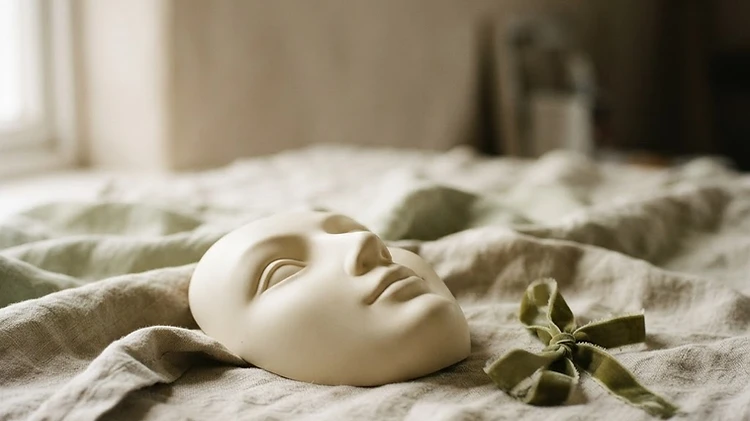
Not every lie is spoken out loud. On the masks we wear to survive, and the difference between choosing what to share and feeling you have no choice but to hide.
Sometimes the hardest person to be honest with is ourselves.
There are so many ways we hide. Sometimes we lie to protect ourselves. Sometimes we mask our emotions to avoid judgment, rejection, or conflict. And sometimes we become so comfortable pretending that we don't even recognize the difference between who we truly are and who we've learned to be.
Not every lie is spoken out loud. Sometimes it's saying "I'm fine" when we're falling apart. Sometimes it's pretending not to care when something deeply hurts us. Sometimes it's acting happy in situations that leave us empty or convincing ourselves that something doesn't bother us simply because we're not ready to confront it.
And sometimes, hiding isn't about intentionally deceiving anyone. It's about survival. It's about learning that certain parts of ourselves weren't always welcomed, accepted, or safe to express.
But there comes a point when we have to ask ourselves: Am I protecting my peace, or am I hiding from my truth?
Because although masking can help us navigate uncomfortable situations, constantly hiding who we are can eventually leave us feeling disconnected from ourselves.
Questions for Reflection
- What am I pretending not to know? Is there a truth about myself, my relationships, or my life that I keep avoiding?
- Who do I become around other people? Do I change my personality, opinions, emotions, or behavior to feel accepted?
- What am I afraid would happen if people saw the real me? Am I afraid of rejection, disappointment, conflict, judgment, or losing someone?
- Where have I confused keeping the peace with being dishonest about my feelings?
- What lies have I told myself to make something painful easier to accept?
- Am I hiding something because it's private, because I'm ashamed, or because I'm afraid of the consequences of being honest?
- Who am I when nobody is watching, expecting, needing, or judging anything from me?
- What truth would I finally admit if I knew I wouldn't be punished, abandoned, or misunderstood for saying it?
A Deeper Question
Have I become so good at being who everyone needs me to be that I've forgotten who I actually am?
Think about the versions of yourself you've created to survive different environments, relationships, and experiences.
Which versions helped protect you? Which ones are you still carrying even though you no longer need them?
And which parts of yourself are asking to be seen?
Today's Affirmation
I no longer have to abandon myself to be accepted by others. I can honor my privacy without hiding in shame. I can be honest with myself, even when the truth is uncomfortable. I deserve relationships and environments where I don't have to perform to feel worthy.
Final Thought
Not every mask is manipulation. Not every hidden truth is dishonesty. Sometimes masking is a protective response to environments where authenticity hasn't felt safe.
But there is a difference between choosing what to share and feeling like you have no choice but to hide.
Perhaps healing begins when we stop asking, "How do I make sure nobody sees the real me?" and start asking:
What would it take for me to feel safe enough to stop pretending?
This journal is intended for educational purposes and does not replace individualized medical or psychiatric care. If you or someone you know is experiencing a mental health crisis or thoughts of suicide, call or text 988 in the United States for immediate support.
The Journal, by Email
New essays, sent quietly.
Occasional practice notes and journal entries. Nothing about your care.