
Mental Health & Wellness
When the Seasons Change, So Can Our Mood: Understanding Seasonal Depression
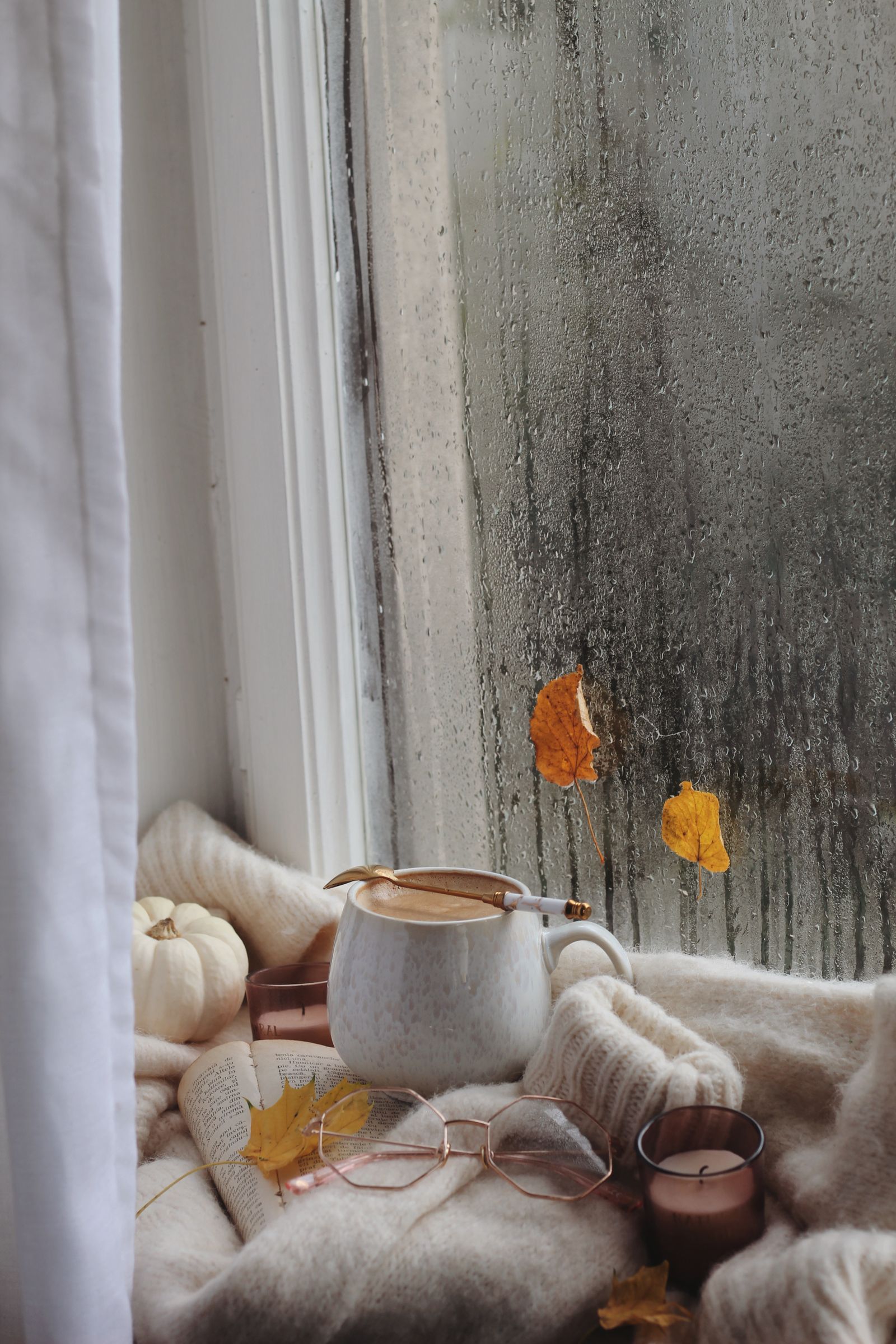
As the days grow shorter, changes in mood, sleep, and energy may signal seasonal depression. Dr. L shares how to recognize the signs and care for your mental health.
As the seasons begin to change, there is something comforting about cooler mornings, colorful leaves, and the anticipation of the holidays. But while this time of year brings excitement for many, it can also bring unexpected emotional challenges.
You may notice that you're feeling more tired than usual, struggling to find motivation, withdrawing from activities you typically enjoy, or simply feeling a little less like yourself.
I want you to know that these feelings are worth paying attention to.
As a psychiatric provider, I believe that understanding our mental health is one of the most important steps we can take toward caring for ourselves. Sometimes, what we assume is simply a seasonal slump may actually be something more.
Understanding Seasonal Depression
Seasonal Affective Disorder (SAD), commonly known as seasonal depression, is a form of depression that follows a recurring seasonal pattern. For many individuals, symptoms begin during the fall or winter months when daylight hours decrease and improve as spring approaches.
While the exact causes are still being studied, changes in sunlight exposure, sleep-wake cycles, and biological processes involved in mood regulation are thought to contribute.
What I want people to understand is that seasonal depression is not simply feeling sad because the weather is changing. It is a legitimate mental health condition that can affect how you think, feel, function, and connect with others.
And like other forms of depression, it deserves attention, understanding, and appropriate care.
Recognizing When Something Feels Different
One of the things I encourage people to do is pay attention to changes in their usual patterns.
Are you sleeping more but still feeling exhausted? Have you lost interest in things that normally bring you happiness? Are you finding it harder to concentrate, stay motivated, or connect with others?
Seasonal depression can present in different ways, but common symptoms include:
- Persistent sadness or a sense of emptiness
- Fatigue or low energy throughout the day
- Increased sleep or difficulty getting out of bed
- Changes in appetite, including increased carbohydrate cravings
- Difficulty concentrating or completing daily responsibilities
- Loss of interest in activities once enjoyed
- Increased irritability or emotional sensitivity
- Withdrawing from friends, family, or social gatherings
Experiencing one or two of these symptoms does not necessarily mean you have seasonal depression. However, if these changes persist, begin affecting your daily life, or seem to occur around the same time each year, it may be time to explore what is happening beneath the surface.
You do not have to wait until you're completely overwhelmed to ask for help.
Why the Seasons Can Affect Our Mental Health
Our bodies thrive on rhythm and consistency, and changes in daylight can influence some of the systems that help regulate our mood, sleep, and energy.
As daylight hours become shorter, our internal biological clock, known as the circadian rhythm, may experience disruptions. Seasonal changes may also influence serotonin and melatonin, which play important roles in mood and sleep regulation.
For some individuals, these changes can contribute to symptoms of depression.
I often remind people that mental health is not simply about having a positive mindset. There are biological, emotional, environmental, and lifestyle factors that influence how we feel.
Recognizing these connections can help us approach our mental health with greater understanding and less judgment.
Small Steps That Can Make a Difference
While seasonal depression may require professional treatment, there are everyday habits that can help support emotional well-being.
Make Time for Natural Light
Even when the weather is cooler, spending time outdoors during daylight hours can be beneficial. Consider taking a morning walk, sitting outside with your coffee, or stepping away from your desk for a few minutes.
Small moments of daylight exposure can help support healthy daily rhythms.
Keep a Consistent Routine
When motivation is low, structure becomes especially important. Try to maintain regular sleep and wake times, eat balanced meals, and include manageable activities throughout your day.
You do not need to create a perfect routine. Focus on consistency rather than perfection.
Stay Connected to Others
When we're feeling emotionally drained, our natural response may be to isolate ourselves.
While time alone can be restorative, prolonged isolation may intensify feelings of sadness or loneliness.
Reach out to someone you trust. Schedule a coffee date, make a phone call, or simply let someone know how you've been feeling.
Connection matters, even when it takes effort.
Be Gentle With Yourself
This is something I believe we all need to hear more often.
You are allowed to have days when your energy is lower. You are allowed to rest. You are allowed to acknowledge that something feels difficult without immediately trying to fix everything.
Giving yourself grace does not mean ignoring your responsibilities or your mental health. It means recognizing when you need additional support and responding to yourself with compassion.
Seek Support When You Need It
Sometimes, lifestyle adjustments alone are not enough, and that is okay.
Seasonal depression can respond to evidence-based treatments, including psychotherapy, medication, and light therapy when clinically appropriate.
A thorough mental health evaluation can help determine whether your symptoms are related to seasonal depression, another mental health condition, or a combination of factors.
My encouragement is simple: if your emotional well-being is affecting your quality of life, please do not minimize what you're experiencing.
You deserve support before things reach a breaking point.
A Personal Reminder as We Enter a New Season
One thing I hope more people begin to recognize is that taking care of your mental health should never be viewed as something you only do when life becomes unmanageable.
Mental wellness deserves consistent attention, just like physical wellness.
As we enter the fall and winter months, I encourage you to check in with yourself.
How have you been sleeping? How is your energy? Are you finding joy in the things that usually make you happy? Have you been giving yourself the same compassion you so freely extend to others?
Sometimes, the most meaningful step toward feeling better begins with being honest about how we're really doing.
And if your answer is that you're struggling, please know that you do not have to navigate those feelings alone.
Your Mental Health Matters in Every Season
As the days grow shorter and the seasons continue to change, remember that your emotional well-being matters.
You do not have to push through persistent sadness, exhaustion, or emotional distress simply because you believe you should be able to handle it on your own.
There is strength in recognizing when something has changed, courage in asking for support, and hope in knowing that effective treatment is available.
My hope is that you approach this season with a little more awareness, a little more self-compassion, and a willingness to prioritize yourself when you need it most.
Because caring for your mental health is not a luxury. It is an essential part of caring for you.
You don't have to wait for a new season to begin feeling better.
With care,
Dr. L
This journal is intended for educational purposes and does not replace individualized medical or psychiatric care. If you or someone you know is experiencing a mental health crisis or thoughts of suicide, call or text 988 in the United States for immediate support.
The Journal, by Email
New essays, sent quietly.
Occasional practice notes and journal entries. Nothing about your care.